
















Parenthood is both deeply rewarding and undeniably exhausting. Between managing work, sleepless nights, meal prep, laundry, and medical appointments, parents often carry an invisible, relentless checklist in their minds.
This invisible burden—the mental load—often leads to chronic fatigue, stress, and parent guilt. Fortunately, with practical systems, shared responsibility, and smart daily tools, you can reclaim balance and focus on what truly matters: enjoying time with your child.
Understanding the Parental Mental Load
Mental load isn't just performing daily chores—it's the constant cognitive effort of anticipating, planning, and organizing everything for the household 24/7.
Common triggers include:
-
Planning weekly family menus and grocery shopping.
-
Tracking pediatrician guidelines, vaccination schedules, and growth milestones.
-
Managing inventory for essential supplies (diapers, formula, wipes, clothes).
-
Balancing work deadlines alongside family logistics and childcare routines.
5 Core Strategies to Lighten the Load
-
Centralize Household Information: Use a shared digital calendar or family whiteboard to track appointments, meal plans, and social events so responsibility isn't stored in just one person's head.
-
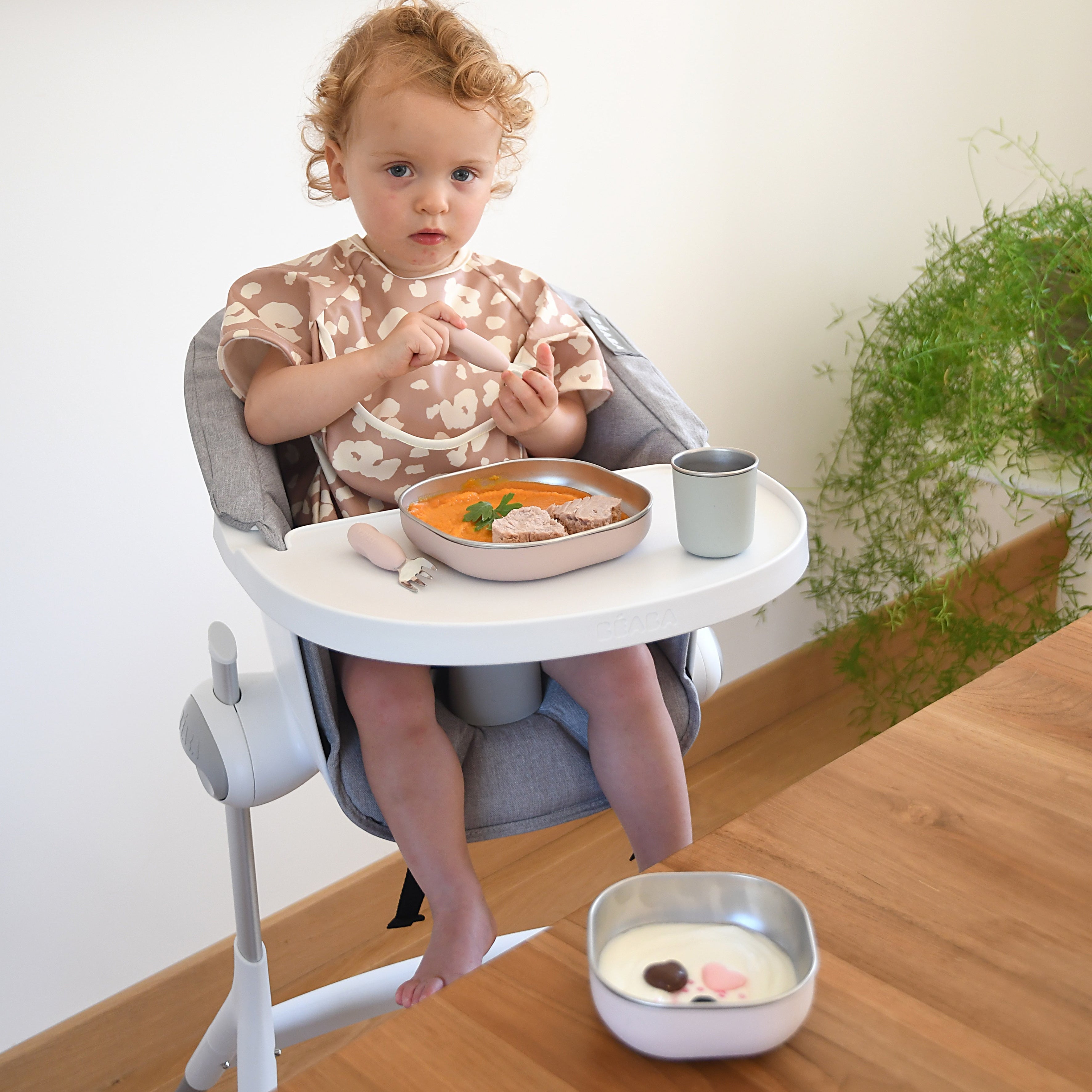
Simplify Meal Planning: Avoid short-order cooking. Prepare unified family meals that can be easily modified for your baby or toddler.
-
Establish Predictable Routines: Children thrive on regularity, and set routines drastically reduce the number of micro-decisions you have to make each day.
-
Delegate Explicitly: Clearly divide specific recurring domains (e.g., one parent owns diaper inventory, the other manages weekend meal prep) rather than constantly asking for help.
-
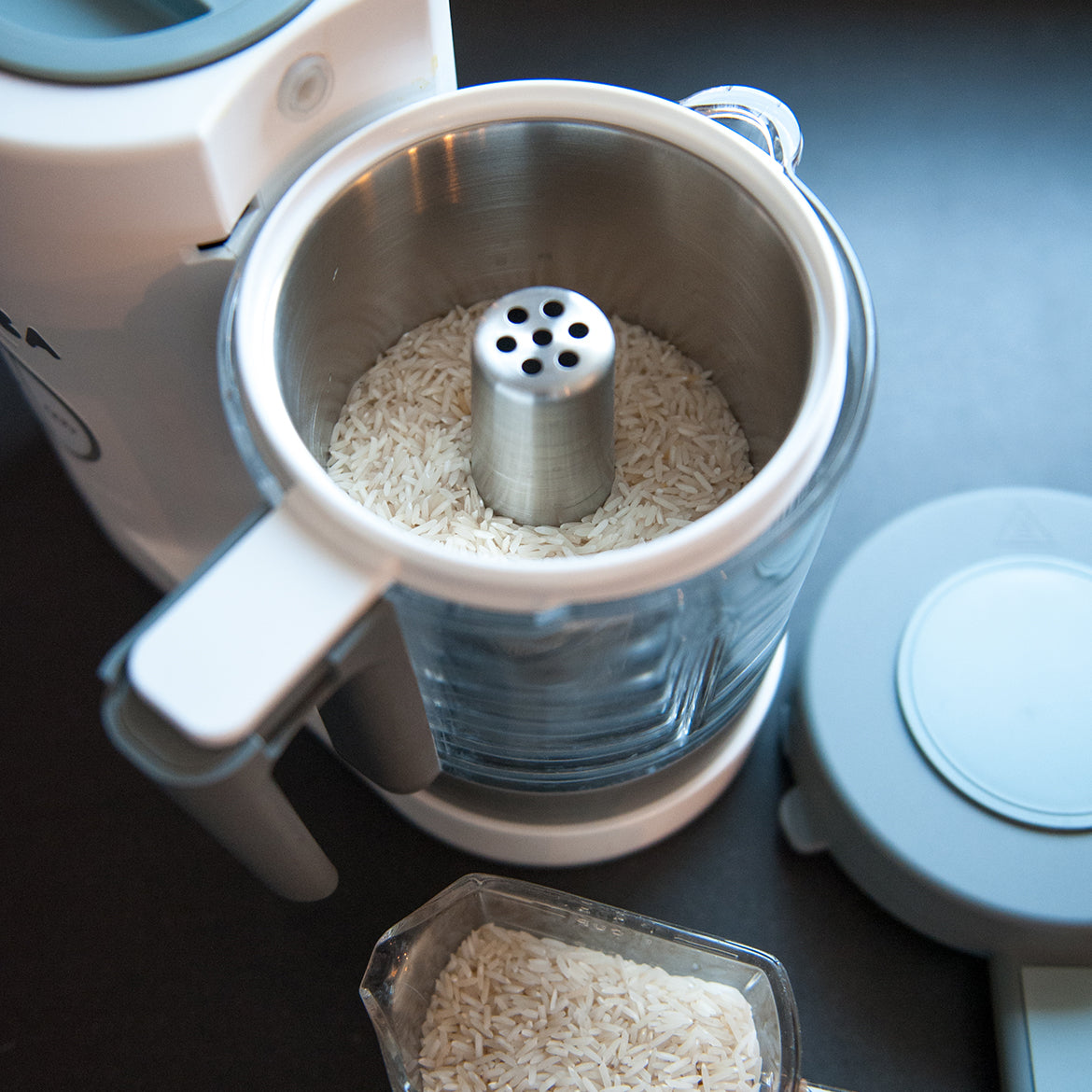
Leverage Smart Kitchen Tools: Use dedicated multi-functional appliances—such as the BEABA Babycook® steam-blender—to prepare fresh, nutrient-dense baby purees in under 15 minutes.
Navigating Solid Starts Without the Stress
Starting solid foods (dietary diversification) between 4 and 6 months is a prime example of mental load peak. Parents often feel overwhelmed by texture transitions, allergen tracking, and nutrition guidelines.
Simplifying Early Feeding
-
Introduce One Ingredient at a Time: Offer a single new food every 2–3 days to easily observe for digestive tolerance or skin reactions.
-
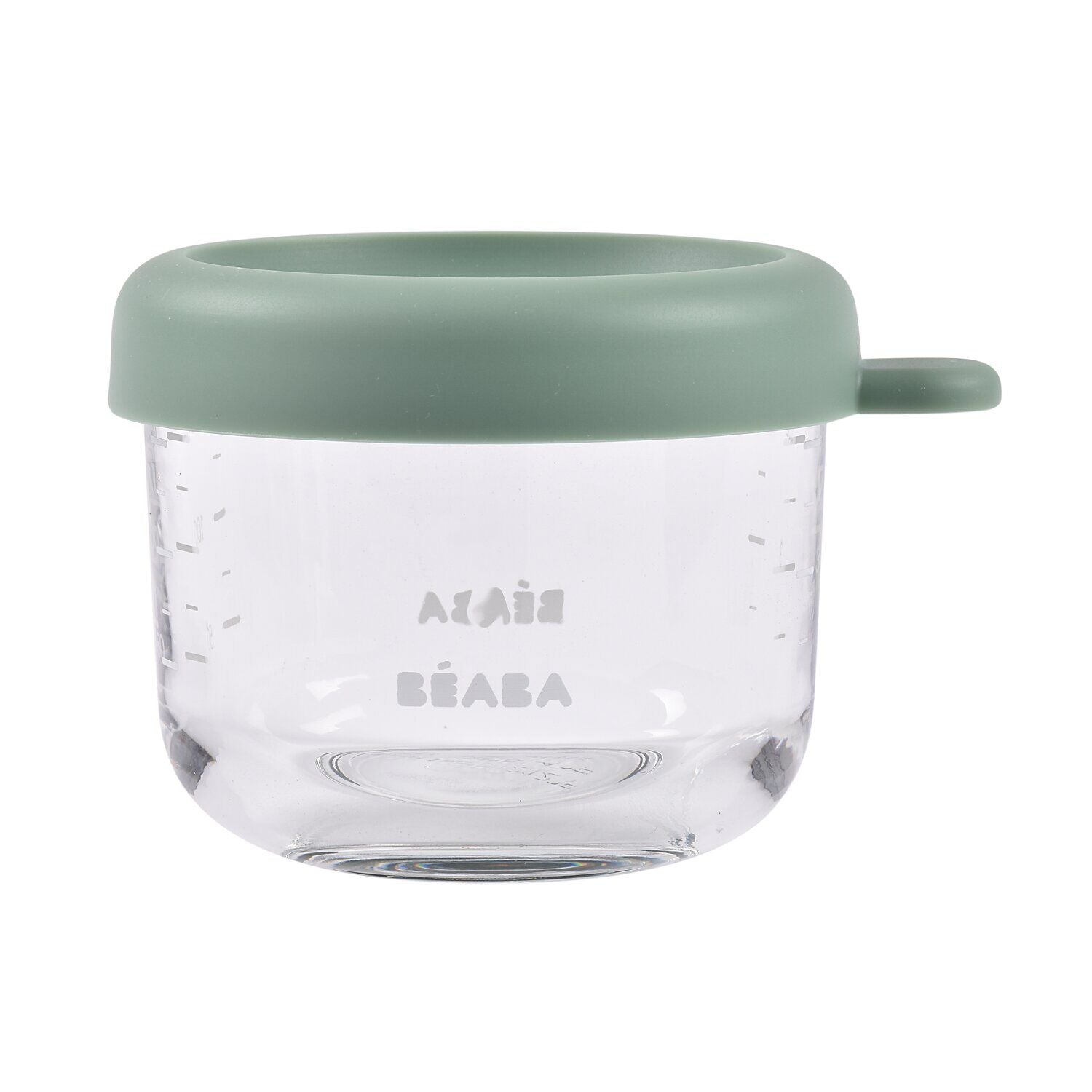
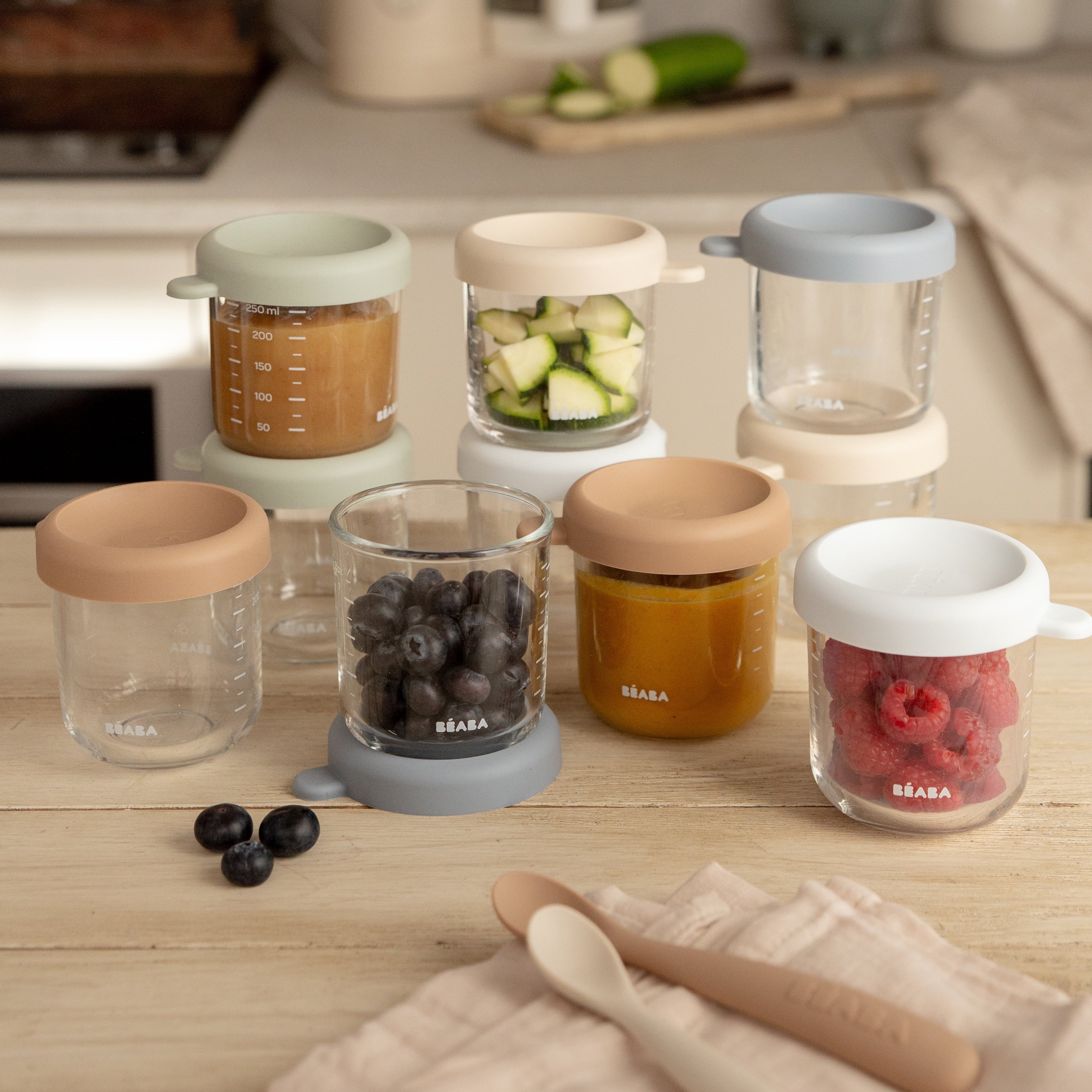
Batch-Cook & Freeze: Prepare small portions of seasonal vegetable purees (such as carrot or sweet potato) on weekends, then freeze them in individual glass or silicone storage jars.
-
Follow Your Baby's Cues: Respect their appetite and never force-feed. Mealtime should be a relaxed exploration of tastes and textures.
Embracing "Good Enough" Parenting
The mental load may never disappear completely, but it can be managed. Surrounding yourself with supportive tools, trusting meal-kit services or meal-prep routines, and letting go of perfectionism allows you to conserve your energy for meaningful moments with your family.