










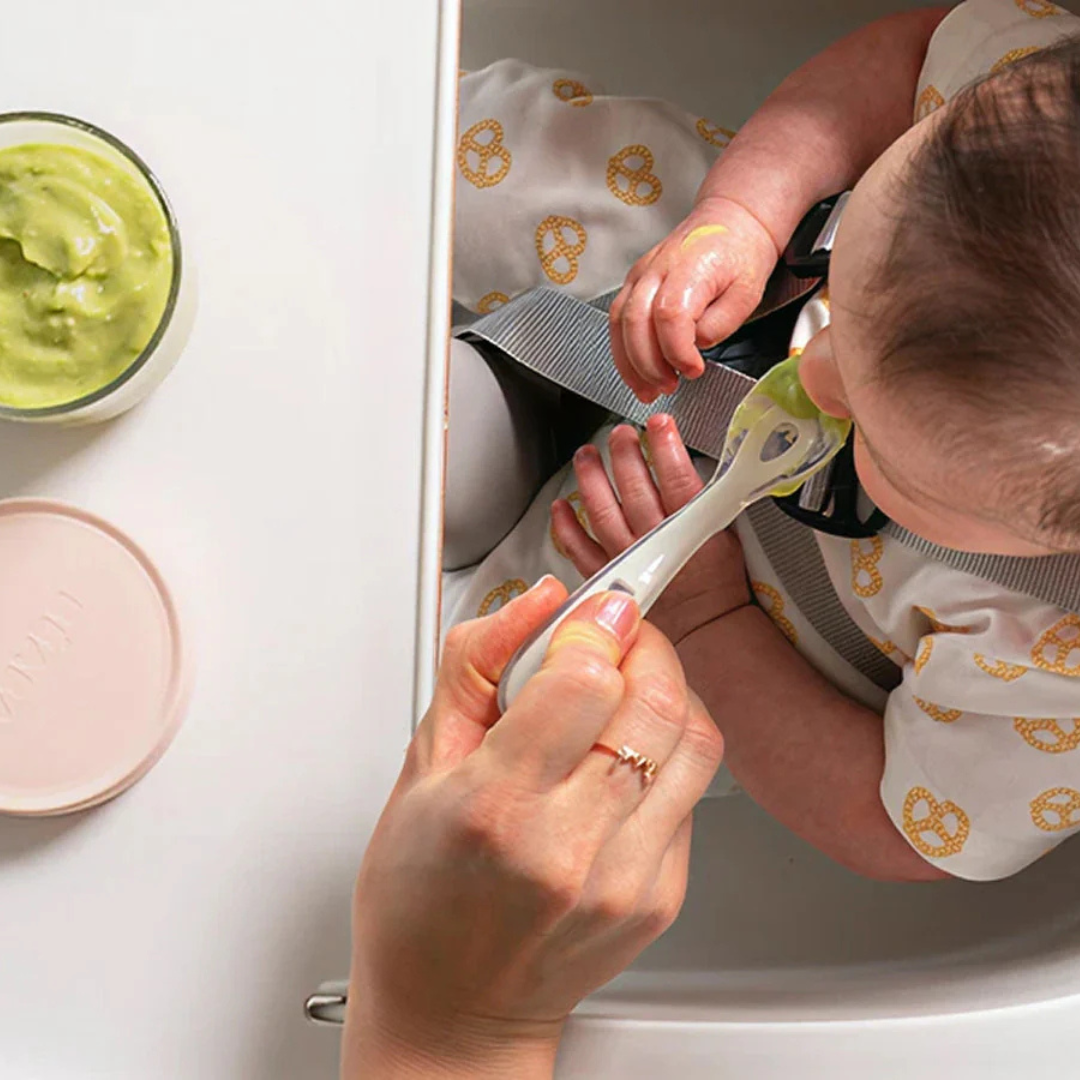
Wondering when your little one will be ready for solids? As a new mom, navigating the right timing can feel overwhelming—especially when you realize how much advice varies depending on where you look. Cultural traditions and medical recommendations for introducing first foods differ wildly across the globe!
Here is a look at how different countries approach weaning and baby's very first bites:
Macedonia & Kosovo
In these Balkan nations, introducing solids happens surprisingly early—often within the first two months of life. High numbers of infants drink cow’s milk daily before six months, and early weaning typically starts with specialized baby biscuits, followed by fruits and vegetables.
Japan
Japan marks a baby's 100th day with Okuizome, a traditional ceremonial feast prepared to wish the child a lifetime of food abundance. During the ritual, a baby "bites" a small ceremonial stone to pray for strong teeth—though actual eating doesn't start yet! Real solids begin around five months with Okayu (smooth rice porridge), alongside a rich variety of fish and seasonal vegetables to expand their palate early.
India
Exclusive feeding is common until six months, when Hindu families celebrate Annaprashan—a formal first-feeding ceremony blessed by a priest. Dressed in festive attire, the baby takes their first taste of solid food, usually sweet rice pudding (Kheer), before picking a symbolic object from a tray to reveal clues about their future. Daily meals then transition to soft rice, dahl (pureed lentils), and mashed vegetables.
Bangladesh
Extended breastfeeding is deeply rooted here, with many mothers continuing well past two years (and up to 30% of infants staying exclusively on milk past six months). When solids are introduced, families often celebrate by giving the baby six grains of rice at six months. Their primary first food is khichuri, a comforting blend of rice cooked with lentils.
Nigeria
In Nigeria, first foods are often introduced early, around three to four months. Babies typically start with akamu—a smooth porridge made from maize, millet, and guinea corn—before moving on to starchy root vegetables paired with protein-rich fish and bean sauces. Some traditional beliefs even hold that a child should learn to walk before full weaning is attempted!
Mongolia
Mongolia heavily prioritizes long-term breastfeeding, with over half of children nursing past age two. Because commercial jarred baby foods aren't widely used, infants transition straight to small, finely mashed portions of whatever the rest of the family is eating for dinner.
Iran
In line with Islamic traditions across the Middle East, breastfeeding for as long as possible is seen as a central maternal role. Many families practice Tahneek at birth, gently rubbing a softened date onto the baby's palate so their very first taste of the world is sweet. As they grow, babies naturally transition into eating traditional family rice and stew dishes.
United States
Pediatric guidelines in the US recommend starting solids around six months. While iron-fortified single-grain cereals were traditionally the go-to first food, healthcare authorities now encourage parents to offer a wide variety of grains—like oats, barley, and multigrain—alongside fruits, vegetables, and meats in no strict order.
France
French parents focus heavily on gourmet palate expansion from the very beginning, usually between four and six months. First foods aren't bland; instead, babies are introduced to savory, flavor-dense vegetable purees like leek soup, spinach, endive, and beetroot to build adventurous, food-loving eaters from day one.
3 Key Takeaways for Local Parents:
-
Focus on readiness cues over age: Whether a culture starts at 4 months or 8 months, pediatricians agree that physical readiness (sitting upright, head control, interest in your food) matters most.
-
Embrace flavor variety: Taking inspiration from Japanese and French approaches by introducing a wide range of vegetables and gentle natural flavors early on helps prevent picky eating later.
-
Find your own rhythm: There is no single "right" way to feed a baby—choose the approach and schedule that best fits your family's routine and lifestyle.