









We’ve all been there: you’re trying to cook dinner, and your kids are screaming that they’re hungry, begging for snacks, and desperate for your attention. Managing mealtime with young kids can feel overwhelming, especially if you're dealing with selective eating.
Here are 5 dietitian-approved strategies to help you cut through the pre-dinner stress and support your picky eater.
1. Reframe How You Talk About Food
Language matters more than we think. Avoid labeling your child as a "picky eater," especially in front of them or other family members. Overemphasizing their selectivity can inadvertently reinforce the behavior and make mealtimes feel high-pressure.
2. Pair "Safe" Foods with New Foods
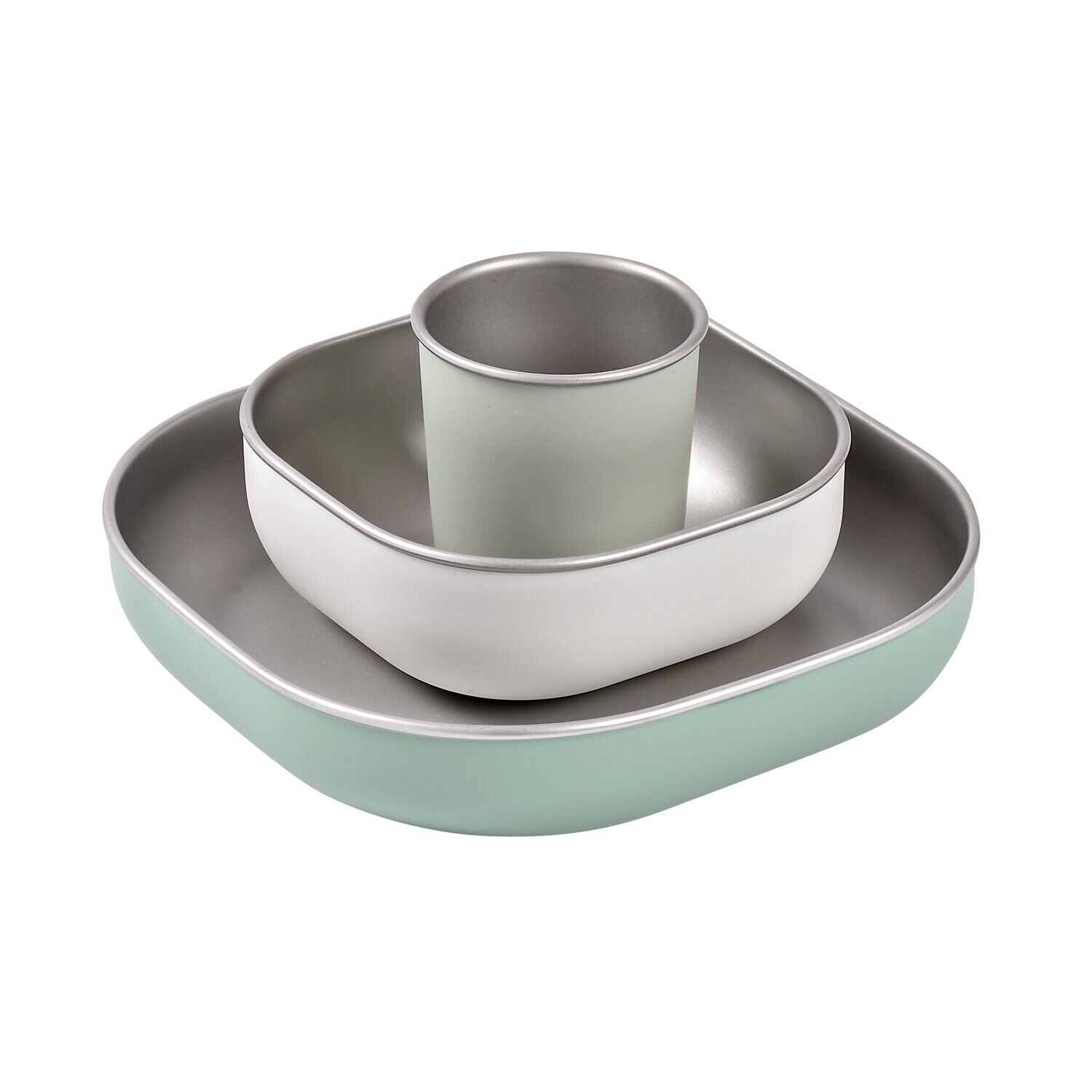
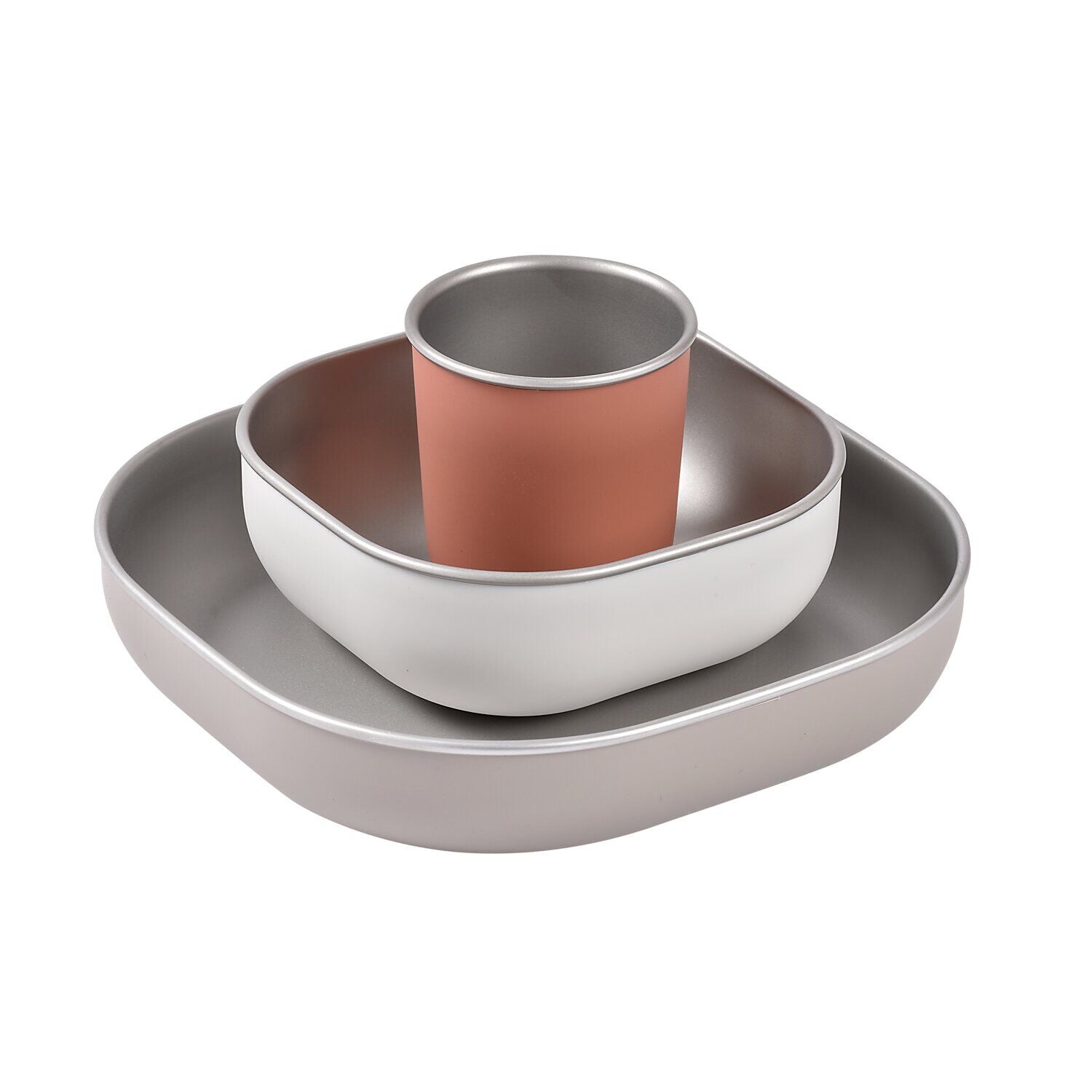
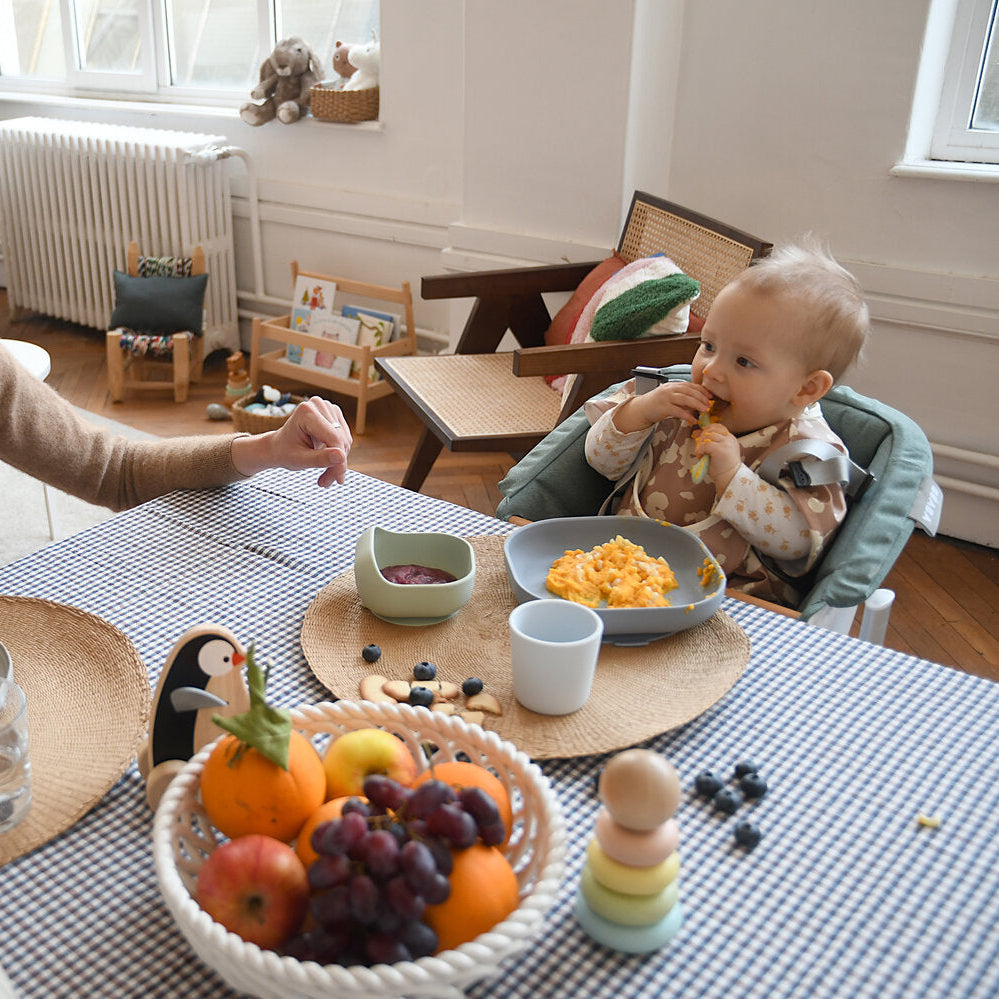
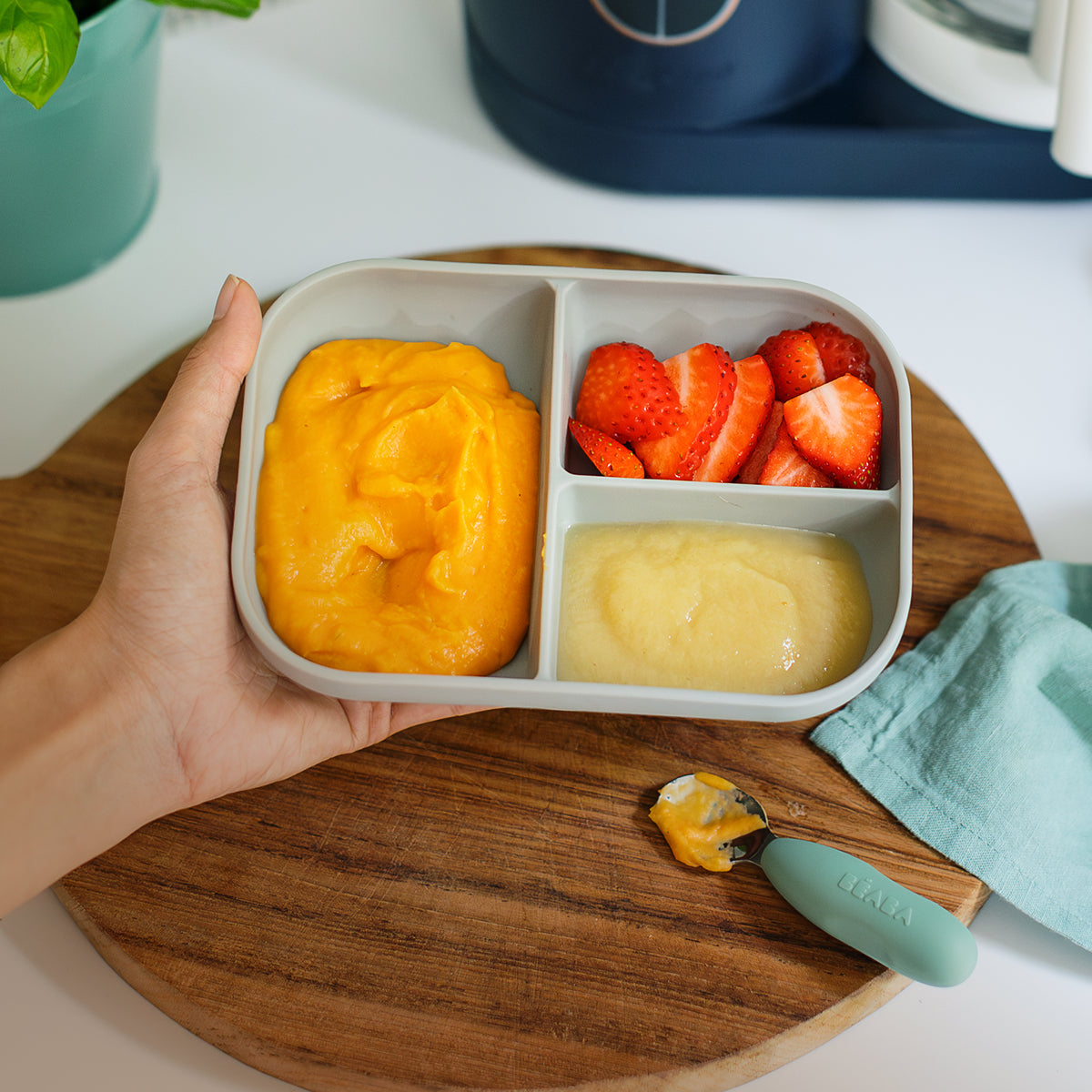
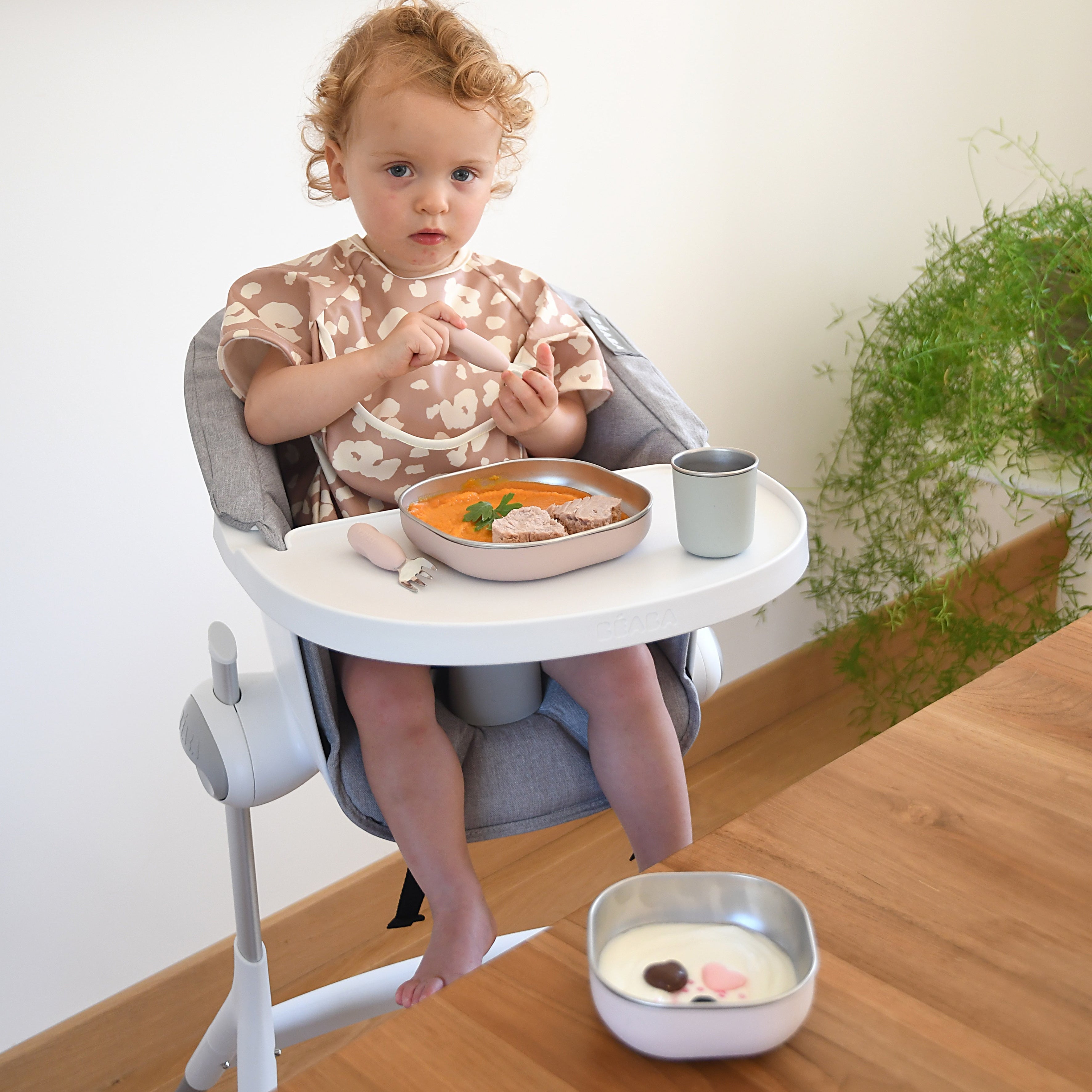
How food is presented makes a huge difference. Always serve a non-preferred or trickier food (like a new vegetable or protein) alongside a familiar "safe" food your child already loves (like mashed potatoes or mac and cheese). Seeing a familiar favorite on the plate lowers their anxiety and makes them more open to exploring.
3. Serve Meals Family-Style
Whenever possible, put food out in large serving bowls and let everyone serve themselves. If you’re having spaghetti, for example, let your child choose their own portion and toppings. Giving kids control over their own plates often leads to pleasant surprises—you might find them trying ingredients they usually ignore!
4. Remember: Exposure Takes Time
Research shows it can take up to 20 exposures before a child accepts or enjoys a new food. Be patient, stay consistent, and don't get discouraged if they touch, smell, or ignore a food the first few times. Every interaction counts as progress!
5. Mix Up the Texture and Prep
An "exposure" doesn't always look the same. Serving fresh corn on the cob feels completely different to a child than eating sweet corn in a soup or baked into cornbread. If your child rejects a food in one form, try serving it in a different shape, texture, or dish next time.
💡 Bonus Tip: Beat Pre-Dinner Meltdowns
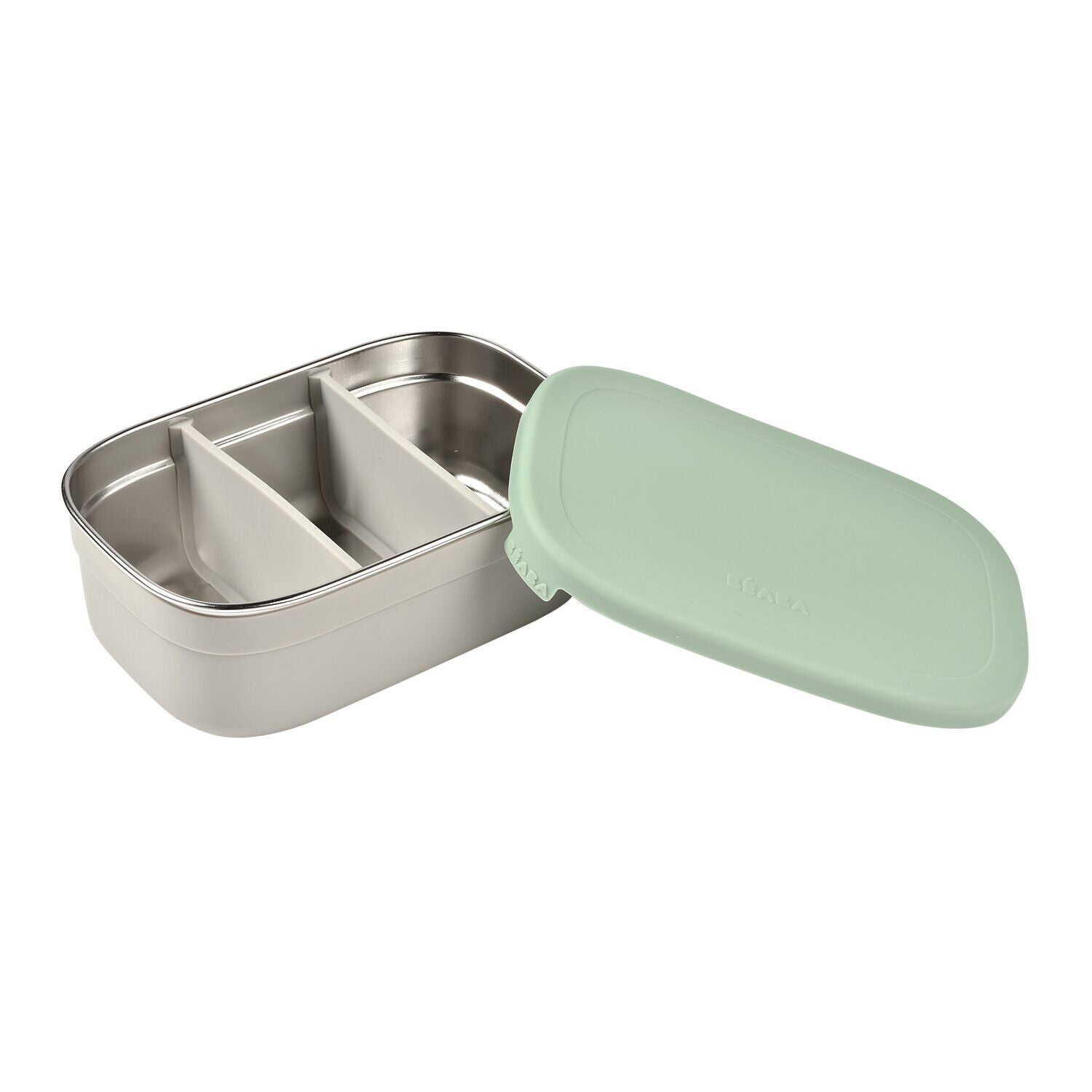
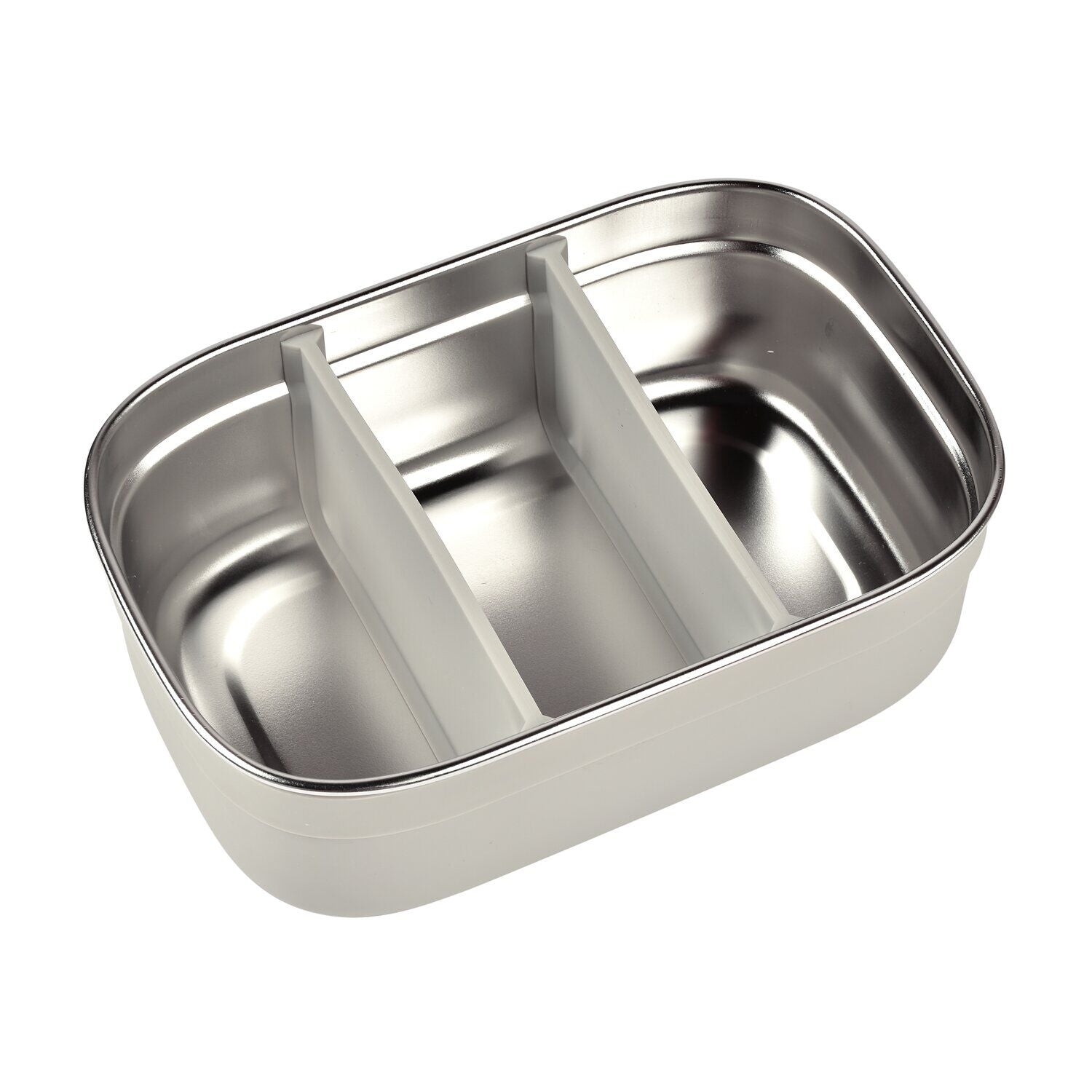
To avoid the classic pre-dinner chaos, assemble a small "pre-dinner snack plate" (like raw veggies, fruit, or crackers) while you cook. It keeps their hunger at bay, keeps them distracted, and gives you the peace you need to finish meal prep.
Key Takeaways
-
Avoid Labels: Keep food language neutral and positive.
-
Pair Foods Wisely: Serve new items next to trusted favorites.
-
Empower Choice: Let kids build their own plates from family-style bowls.
-
Be Patient: It can take 20+ attempts for a food to stick.
-
Get Creative: Change up the prep method (e.g., roasted vs. raw).
-
Pre-empt Hunger: Use a mini snack plate to buy yourself cooking time.
Pickiness is a completely normal part of childhood development. Take a deep breath, keep things fun, and remember that every small win adds up!