












Navigating the first year of motherhood in Hong Kong is a complete whirlwind. Between balancing work, household routines, and advice from grandmothers, aunts, and pediatrician visits, deciding when and how to start solids can leave any mom feeling overwhelmed.
Should you start with choy sum puree or rice cereal? What about early allergens? To cut through the noise, here is a practical, dietitian-approved roadmap to help your baby build a healthy relationship with food from 4 to 12 months.
Step 1: When to Start (4–6 Months)
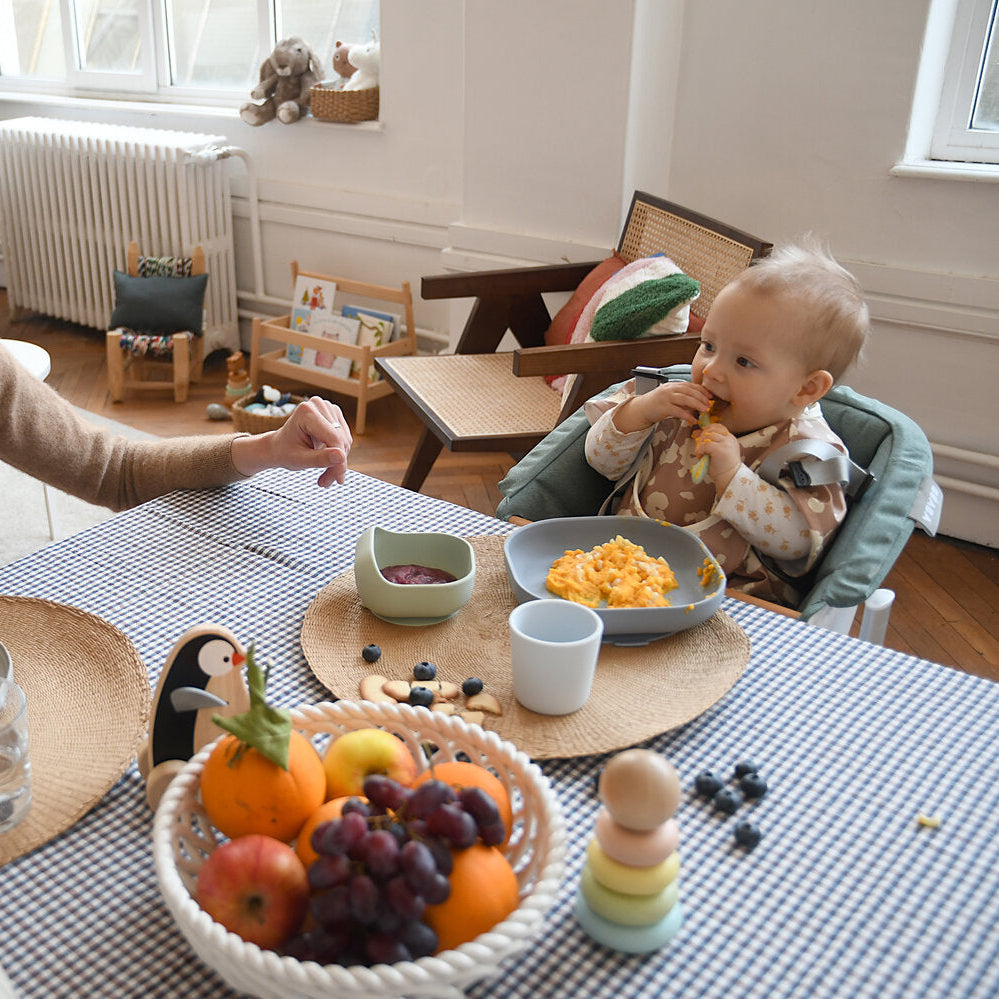
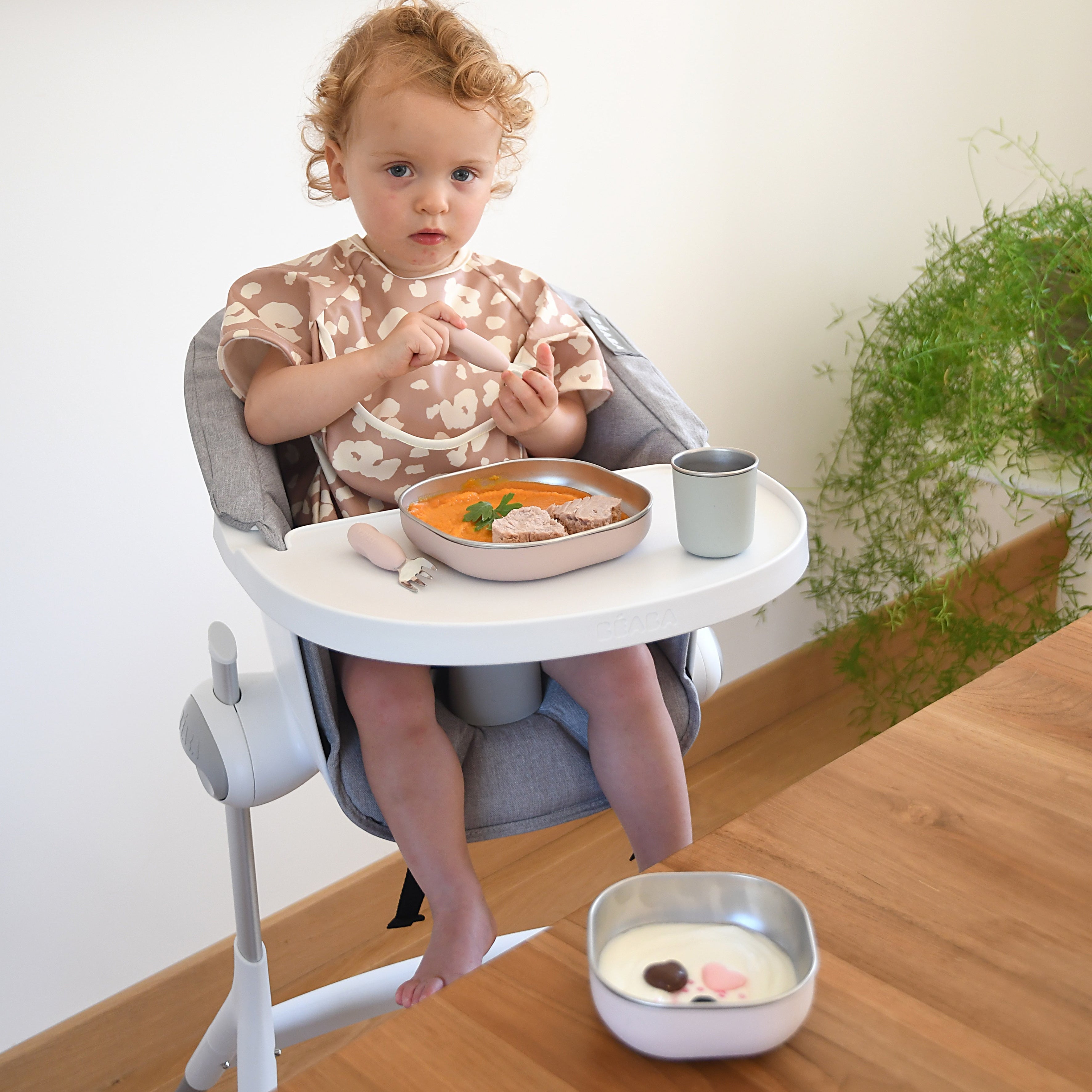
According to pediatric health guidelines, solids should be introduced between 4 and 6 months, alongside breast milk or formula. Look for key physical readiness cues rather than relying strictly on the calendar:
-
Baby can sit up with minimal support and hold their head steady.
-
Baby shows active interest in your food when you sit at the dining table.
-
The "tongue-thrust reflex" (pushing food out with their tongue) has faded.
Pro-Tip: Start with bitter or green vegetables (like spinach, choy sum, or avocado) before introducing sweet fruits. Offering savory and bitter flavors early helps prevent picky eating down the road!
Step 2: Key Milestones (4 to 12 Months)
First Foods & Flavor Discovery
4–6 Months
-
Primary Nutrition: Breast milk or formula remains the main source of calories.
-
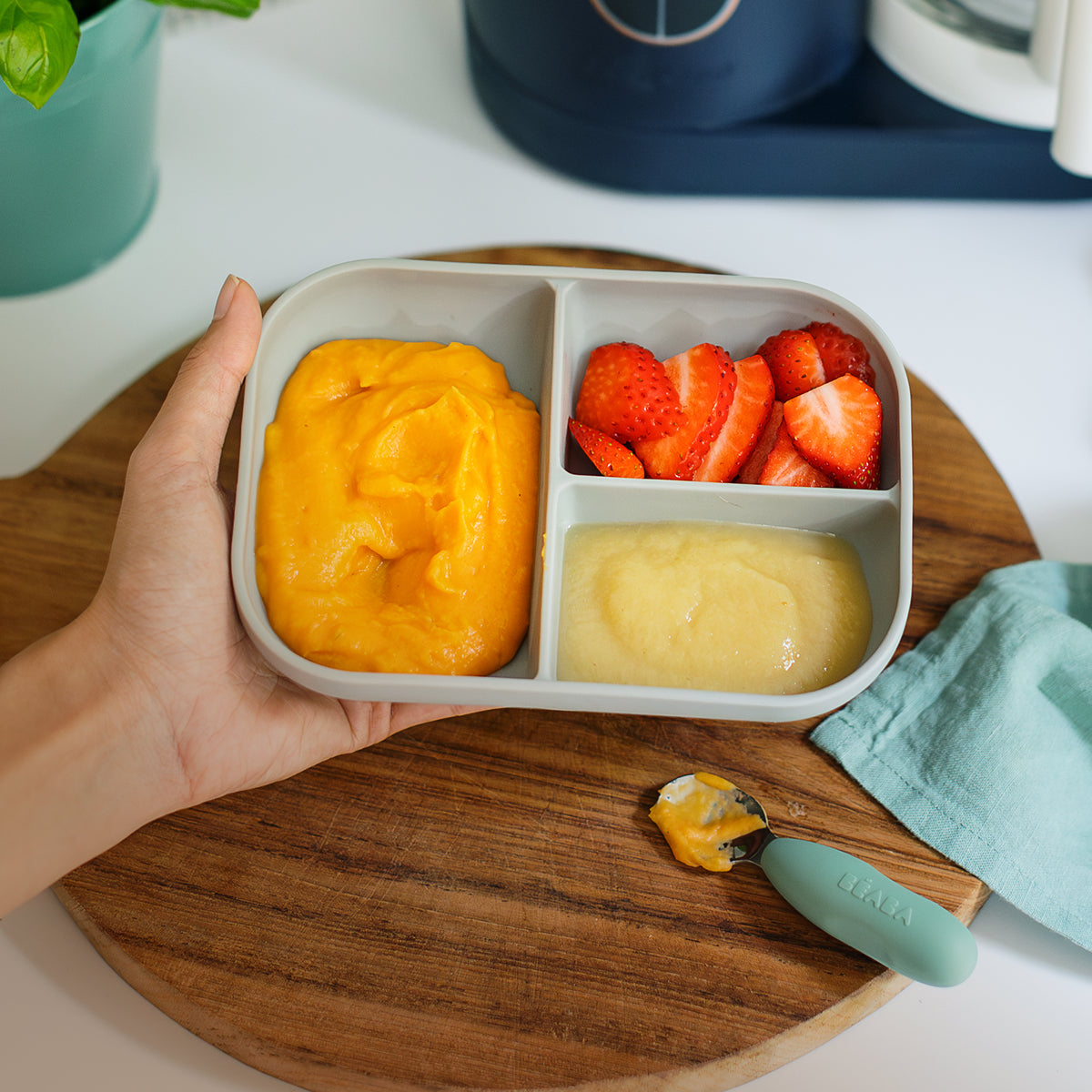
First Bites: Start with single-ingredient smooth purees—such as steamed pumpkin, carrots, or iron-fortified rice cereal thinned with milk.
-
The 3–4 Day Rule: Introduce new single-ingredient foods one at a time, waiting 3 to 4 days before trying another to easily identify any food sensitivities.
Introducing Allergens & Protein
6–8 Months
-
Early Allergen Exposure: Pediatricians now recommend introducing common allergens (like cooked egg yolk, smooth peanut butter, fish, and dairy) early to reduce the risk of allergies.
-
Iron Focus: Add iron-dense foods like pureed lean beef, chicken, or steamed cod to support brain development.
-
Frequency: Transition toward 2 to 3 small solid meals a day.
-
Texture Shift: Move from silky purees to soft mashes and small finger foods.
-
Pincer Grasp: Once baby starts picking up objects using their thumb and index finger, offer soft finger foods like steamed carrot sticks, soft avocado chunks, or puffs.
-
Add Flavor: Experiment with gentle herbs and warm spices like cinnamon, nutmeg, or turmeric—just keep salt, sugar, and honey out of the menu! (Honey is strictly off-limits until 12 months).
-
Table Foods: Offer soft family table foods, whole wheat pasta, and mini sandwiches.
-
Milk Transition: Prepare to transition to full-fat cow's milk (or continue breastfeeding) at the 12-month mark.
Step 3: Daily Portion Guidelines (7–8 Months)
| Food Group | Recommended Serving | Daily Frequency |
| Iron-Fortified Cereal | 5–8 tbsp (mixed with milk) | 1x daily |
| Mashed Vegetables | 2–3 tbsp | 2x daily |
| Mashed Fruits | 2–3 tbsp | 2x daily |
| Proteins (Meat, Fish, Tofu, Eggs) | 1–2 tbsp | 2x daily |
3 Rules for Stress-Free Feeding
-
Division of Responsibility: You decide what and when to serve; your baby decides how much to eat. If they turn their head away or push the spoon, respect their cues—the "kitchen is closed."
-
Keep Trying: It can take up to 8 to 10 exposures for a baby to accept a new flavor or texture. Don't give up if they grimace at first!
-
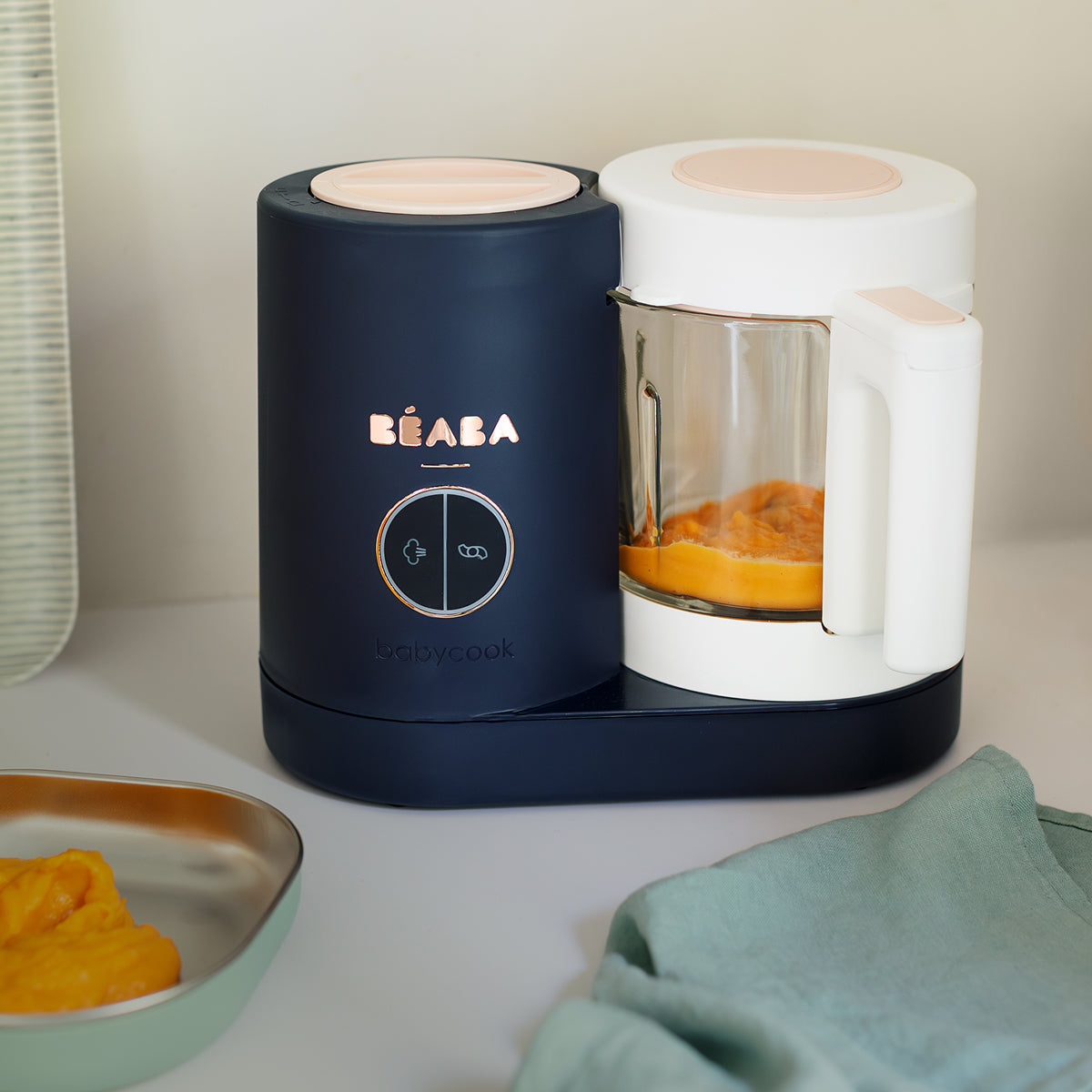
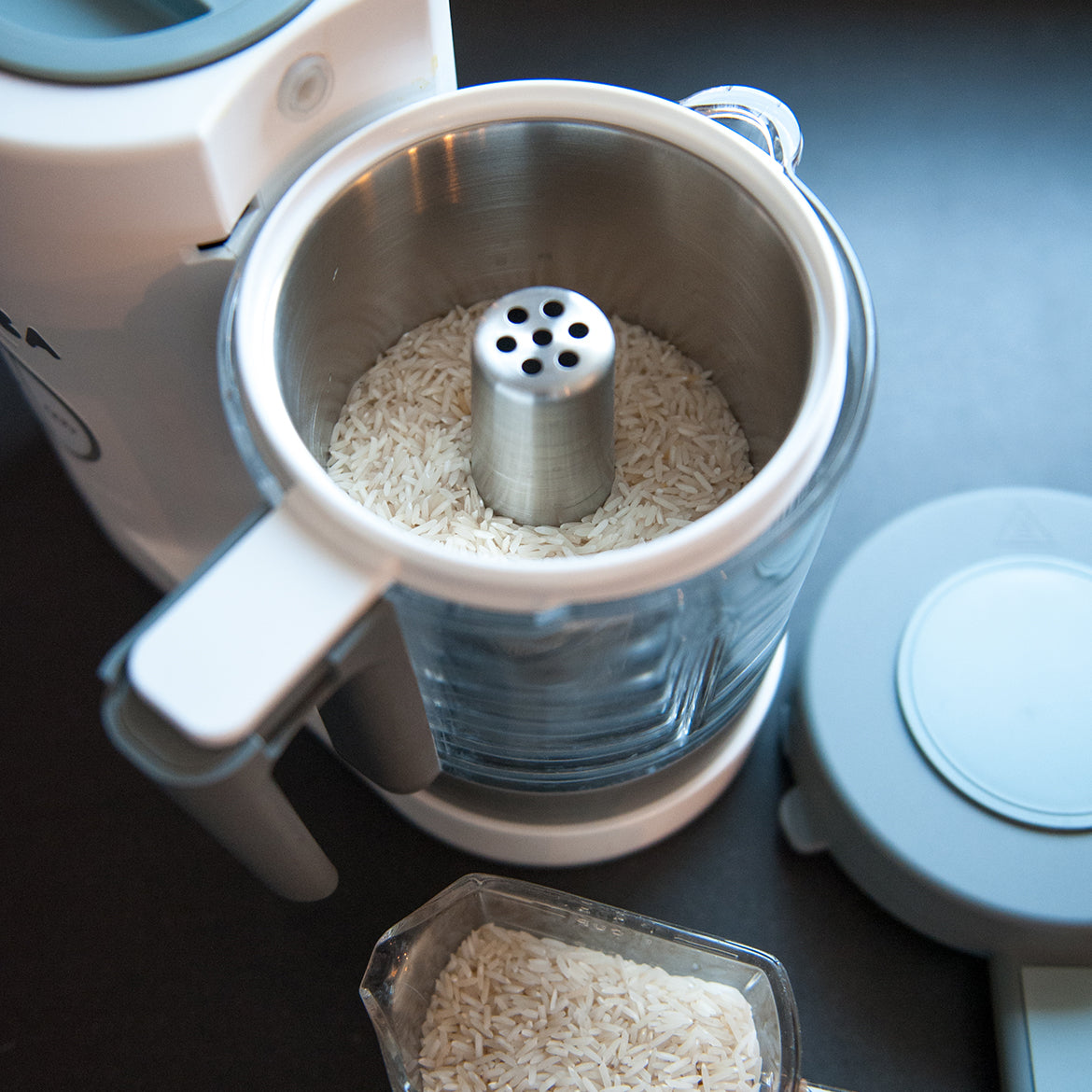
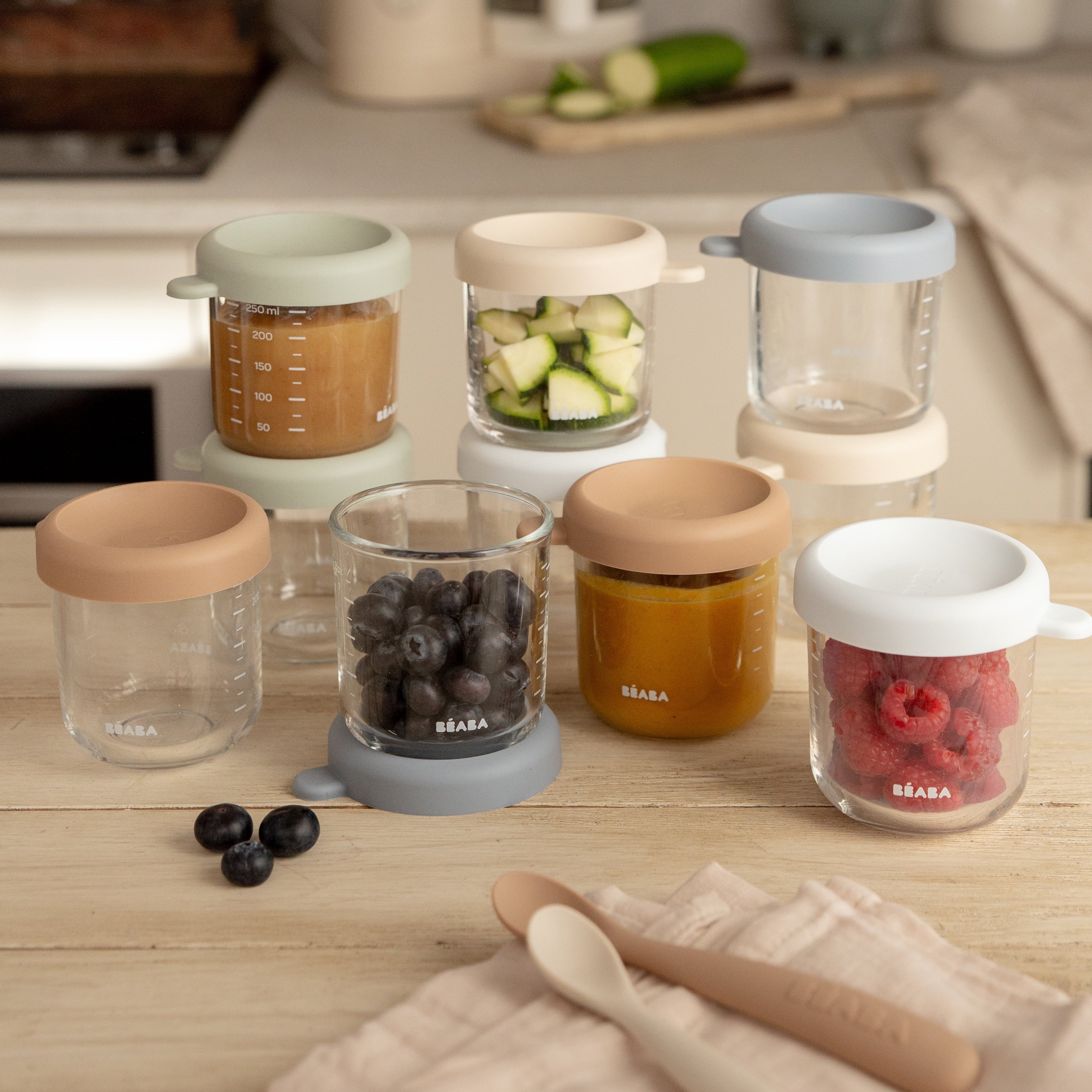
Work Smarter, Not Harder: Use multi-functional kitchen tools like the BEABA Babycook® to steam and blend fresh, local ingredients (like steamed fish, sweet potato, and greens) in under 20 minutes with minimal cleanup.
Mealtime is a sensory adventure for your little one—embrace the mess and enjoy watching them discover new tastes!